
Leading yourself, leading others, and living a meaningful life.
Essays, executive coaching and practical ideas about leadership, work, human behavior, consciousness and becoming better at what matters, from leadership coach Clifton Carmody.
Key takeaways
- MNDFL LDR is the writing and coaching practice of Clifton Carmody, an ICF Professional Certified Coach (PCC) with the ICF Advanced Certification in Team Coaching (ACTC), 20+ years of experience leading teams and operations, more than 2,500 coaching hours and 130+ leaders coached.
- The essays explore five territories: leadership, inner leadership, work and meaning, human development, and ideas.
- Clifton offers executive coaching, team coaching, leadership development, executive team facilitation and leadership assessments.
- The core idea: better leadership begins with self-awareness, and it shows up in results.
What is conscious leadership?
Conscious leadership is a way of leading in which self-awareness comes first. A conscious leader notices their own reactions, assumptions and habits, especially under pressure, and chooses how to respond instead of acting on autopilot. It is not a softer standard. Conscious leaders still set direction, hold people accountable and deliver results, but they do it with a clearer view of their impact on others and a stronger connection to purpose. In practice, that means listening before deciding, having difficult conversations sooner, taking responsibility without taking over, and aligning daily choices with the values they say matter. Research on employee engagement points the same way: Gallup finds that the manager accounts for 70% of the variance in team engagement, so how a leader shows up shapes how the whole team performs.
Where to start
- Notice one recurring reaction this week, such as interrupting, avoiding or rushing, and write down what set it off.
- Before your next difficult conversation, ask yourself what outcome would matter to both of you.
- Try pausing for one full breath before you respond in your next tense meeting.
- Read Five Steps to a Better, More Mindful Meeting and test one step with your team.
- If you want support, see how coaching with Clifton works or start with a Complimentary Conversation.
What is MNDFL LDR?
MNDFL LDR is a leadership writing and executive coaching practice founded by Clifton Carmody. Clifton is an International Coaching Federation (ICF) Professional Certified Coach (PCC) with the ICF Advanced Certification in Team Coaching (ACTC). Based in Atlanta and working with leaders everywhere, it combines essays on leadership, work and human behavior with one-to-one and team coaching. The approach rests on one idea: better leadership begins with self-awareness, and it shows up in results. Clifton brings 20+ years of experience leading teams and operations, more than 2,500 coaching hours and over 130 leaders coached, and he is a certified mindfulness teacher through the International Mindfulness Association. Leaders use the work to lead with more clarity, have difficult conversations sooner and connect daily decisions to what matters most to them. The essays are free to read, and coaching starts with a free, 30-minute Complimentary Conversation.
Who Clifton works with
Two paths, one approach: coaching for individual leaders, and coaching and workshops for teams.
- Executives and business owners who want to lead with more clarity, authenticity and presence.
- Founders growing a company and the team around it.
- High-potential leaders getting ready for a bigger role.
- Leadership teams that want to work better together, through team coaching, facilitation and workshops.
Formats: one-to-one coaching, whole-team coaching, programs, facilitation and assessments. How to start: a free, 30-minute Complimentary Conversation.
Five territories this work explores
Start wherever you're curious: the essays connect across all five.
MNDFL LDR is Clifton Carmody's collection of essays on leading yourself, leading others, and building a meaningful working life. The short version, before you read further:
- Most leadership problems are inner problems wearing an outer costume. Fix the awareness, and the behavior usually follows.
- The manager relationship is the single biggest lever on engagement: Gallup's research attributes 70% of the variance in team engagement to the manager alone (Gallup, State of the American Manager).
- Work and meaning are not opposites. The goal is not to escape work, but to lead it more consciously.
- Clifton writes as both a working coach and a former corporate leader. He holds the Professional Certified Coach (PCC) credential from the International Coaching Federation.
Leadership
How we lead people, make decisions, create accountability, handle hard conversations, and bring out the best in others.
Inner Leadership
Self-awareness, presence, emotional intelligence, confidence, and resilience: the internal work behind effective leadership.
Work & Meaning
Ambition, career, purpose, success, burnout, money, identity, and building a working life that means something.
Human Development
Behavior change, habits, psychology, and the slow, difficult process of becoming more capable, aware, and intentional.
Ideas
Books, thinkers, philosophy, spirituality, and observations on how people actually live and lead.
Selected essays
A few places to start: on meetings, mindset, leading through hard moments, and what actually makes a workplace work.
When to Consider Executive Coaching
How to tell when coaching could help, and why it starts with who you are being, not only what you do.
The F-Word and Changing Perspectives
On failure, reframing, and why the story you tell about a setback matters more than the setback.
Five Steps to a Better, More Mindful Meeting
A short, practical way to make the most-dreaded hour of the week worth showing up for.
Written by someone who's done the work
Clifton Carmody spent 20+ years leading teams and operations before becoming an executive coach. He writes at the intersection of outer effectiveness and inner development: practical, grounded essays on leadership, meaningful work and the inner life, drawn from experience rather than theory.
Meet Clifton →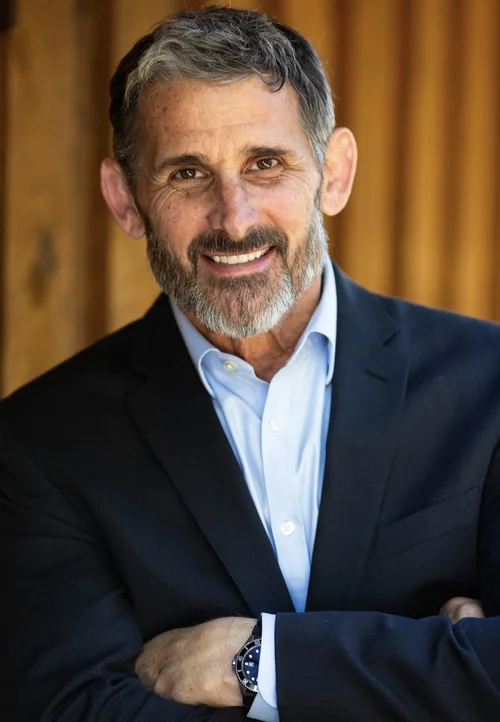
Work with Clifton
Alongside his writing, Clifton coaches a small number of executives one-to-one: credentialed (PCC, ACTC), and grounded in the same ideas he writes about here.
Learn about coaching →Services: Executive Coaching · Team Coaching · Leadership Development · Executive Team Facilitation · Leadership Assessments
| Typical corporate coaching | Coaching with Clifton |
|---|---|
| Starts with competency frameworks and 360 scores | Starts with what is actually running the leader from the inside |
| Optimizes performance metrics first | Builds self-awareness first, performance follows |
| One-size-fits-most curriculum | One-to-one, built around the person in front of him |
| Ends when the engagement ends | Leaves the leader with tools he keeps using |
Questions
Common questions about coaching
What is executive coaching?
Executive coaching is a one-to-one partnership that helps a leader set meaningful goals, see what is getting in the way, and practice new ways of leading.
The International Coaching Federation describes coaching as “partnering with clients in a thought-provoking and creative process that inspires them to maximize their personal and professional potential.”
How does coaching with Clifton work?
Most sessions take place by video and last 50 to 60 minutes. You set the agenda, and each session ends with agreed goals and next steps.
Most clients begin with a three-to-six-month engagement, and in-person meetings can be arranged. See how we work together.
How do I know if coaching is right for me?
Coaching works best when you are ready to do real work on your goals and habits.
If you are unsure, start with a Complimentary Conversation to help you decide.
More questions? Read the full FAQ